Don’t Miss Your Turn

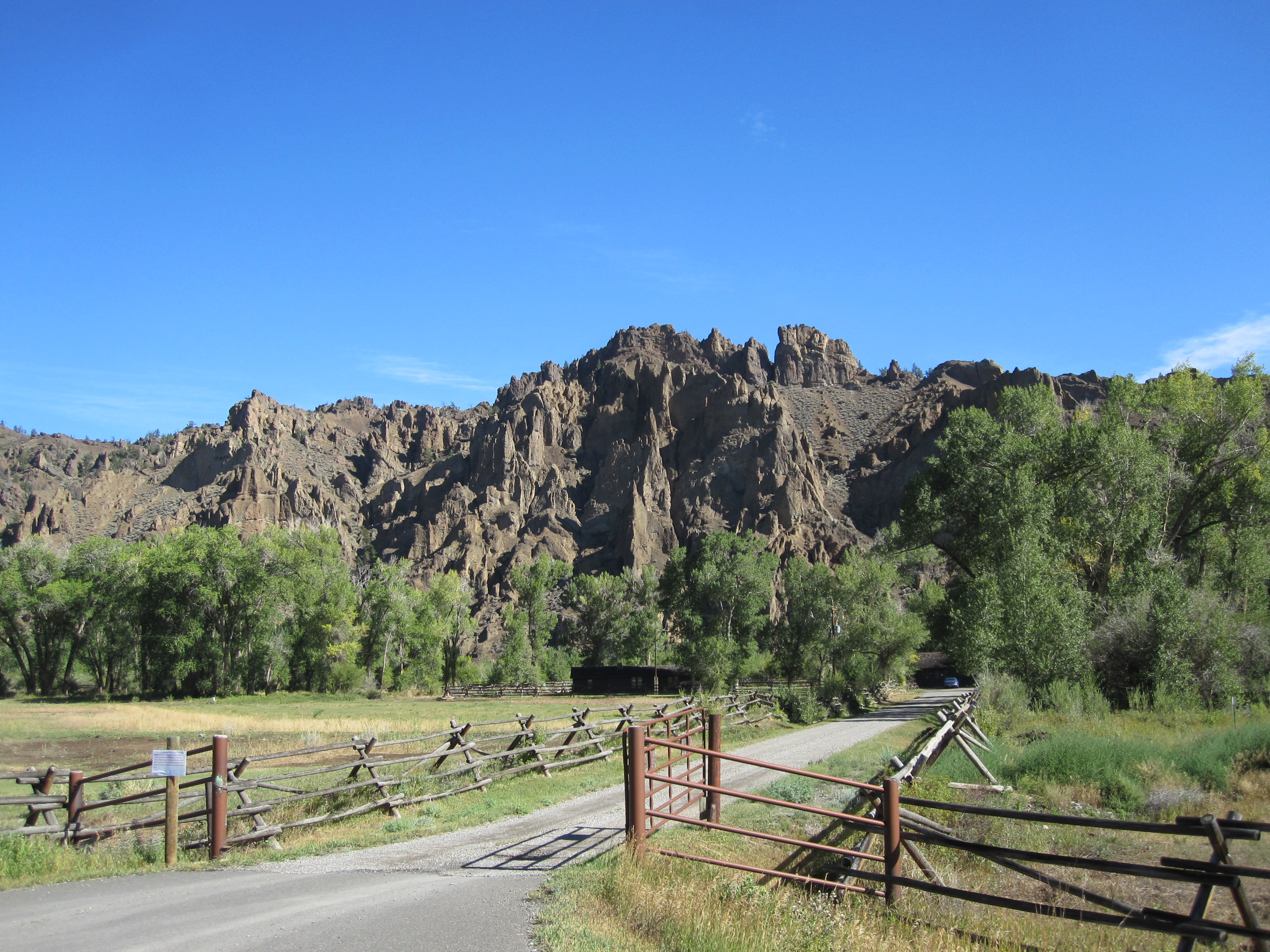
Wrong turn?  Road not taken?

Wrong turn?  Road not taken?

Life should not be a journey to the grave with the intention of arriving safely in a pretty and well preserved body, but rather to skid in broadside in a cloud of smoke, thoroughly used up, totally worn out, and loudly proclaiming “Wow! What a Ride!”

― Hunter S. Thompson


A Master of Education

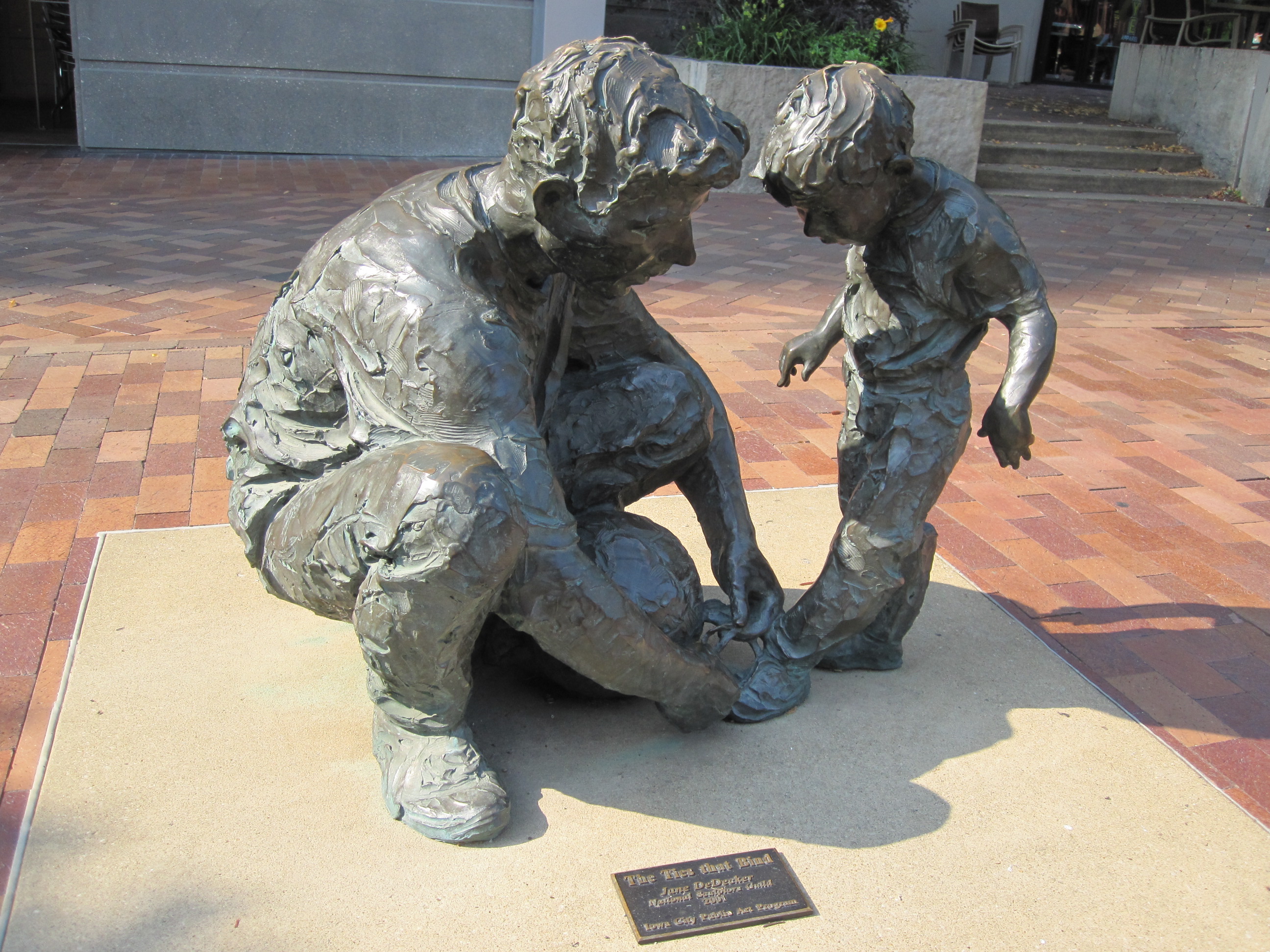
The Ties That Bind --- Iowa City

The Ties That Bind —
Iowa City

Cover of "Journal of a Trapper: A Hunter'...

Cover via Amazon

It’s ironic, isn’t it, that Forrest Fenn has probably taught more children, and adults, than his father, whose life’s work was education?

In spite of any disadvantages to being the son of the school principal, a key bonus was the three month summer recess that the Fenns spent in Yellowstone.

The annual 1,600 mile journey included a 50-mile side trip to a one-room school house on a dirt road in Wyoming to see an inscription:

He Who Teaches a Child Labors with God in His Workshop.


Forrest began his self-education as a youth.  After reading  Journal of a Trapper by Osborne Russell at age 16,  he set out on horseback to retrace/reenact part of the experience.    (See “Looking for Lewis and Clark”,  p. 59 of The Thrill of the Chase {TTOTC}.)
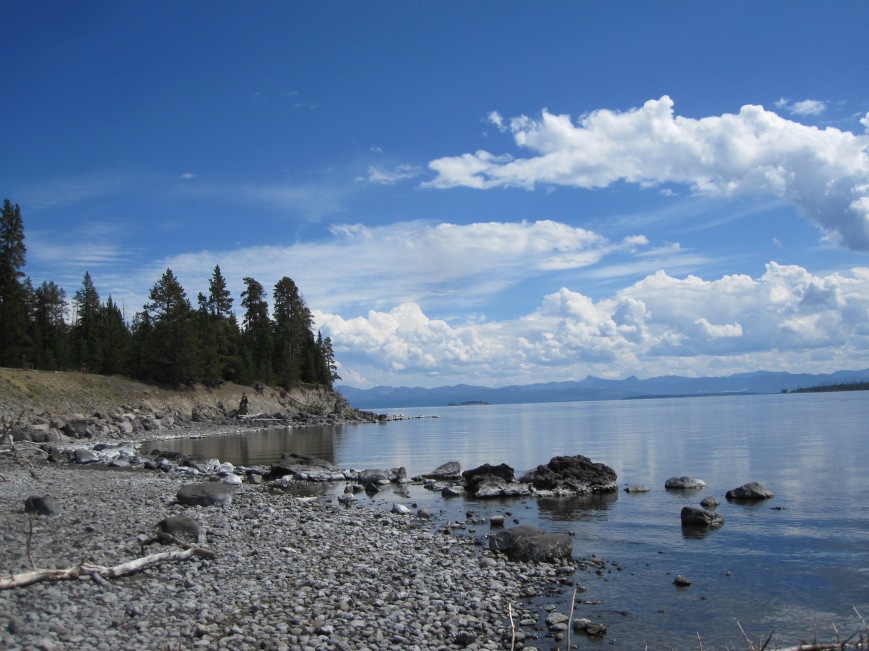
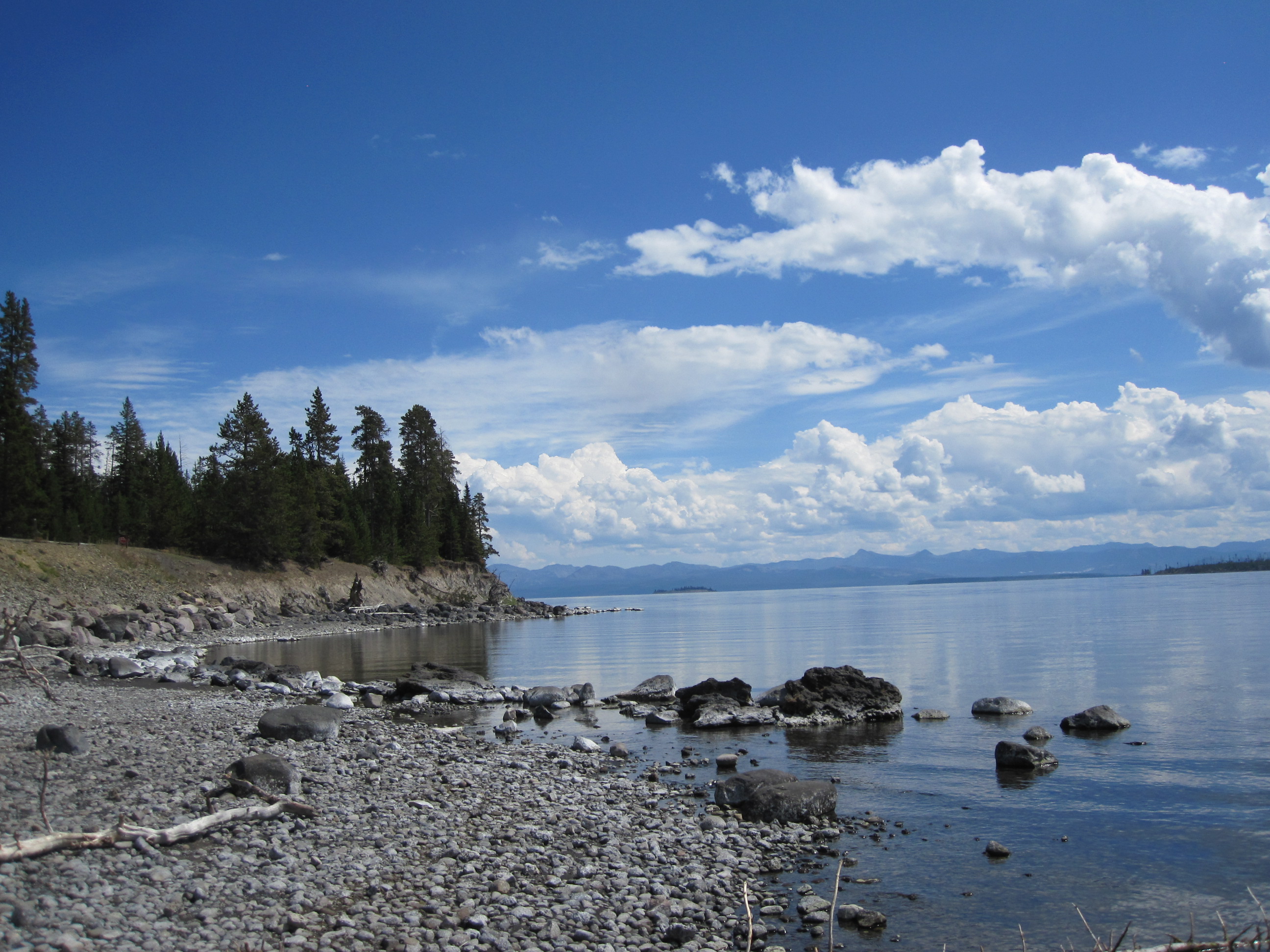
Yellowstone Lake

Yellowstone Lake

He began his teaching career even younger, guiding grown fishermen around the rivers and lakes in Yellowstone country when he was “a young teen.”

College vs experience —

 “Who would you rather have working on your car, a man who just graduated from four years of mechanics school or a guy who has been working on broken cars for four years?”

Marvin Fenn, p.7 of The Thrill of the Chase.

Does Forrest still, at almost 84 years of age, regret not having a college degree?

“I still think about education sometimes, especially now that it’s too late to get any.”  p. 9 of TTOTC

(Not entirely true.  Every June, another septa-, or octa-, or nonagenarian is in the news in cap and gown receiving their long-desired diploma.  But I suspect Forrest would {still} be utterly bored sitting in a classroom where he’s smarter than anyone else in there, including the instructor.  If you doubt his scholarship, check out his expert knowledge on pottery, pueblos, geology, history . . . .you get the idea.)

After his time as a fighter pilot —

Instead of all of those medals, I wish I could have been given a college degree in survival or at least an honorable mention for just having lasted it out.”  

“My War For Me”  begins on p. 73 in TTOTC

            —  he served by teaching others to fly.  When he left the Air Force and began an art gallery in Santa Fe, his  knowledge sharing continued.
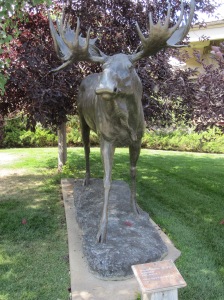
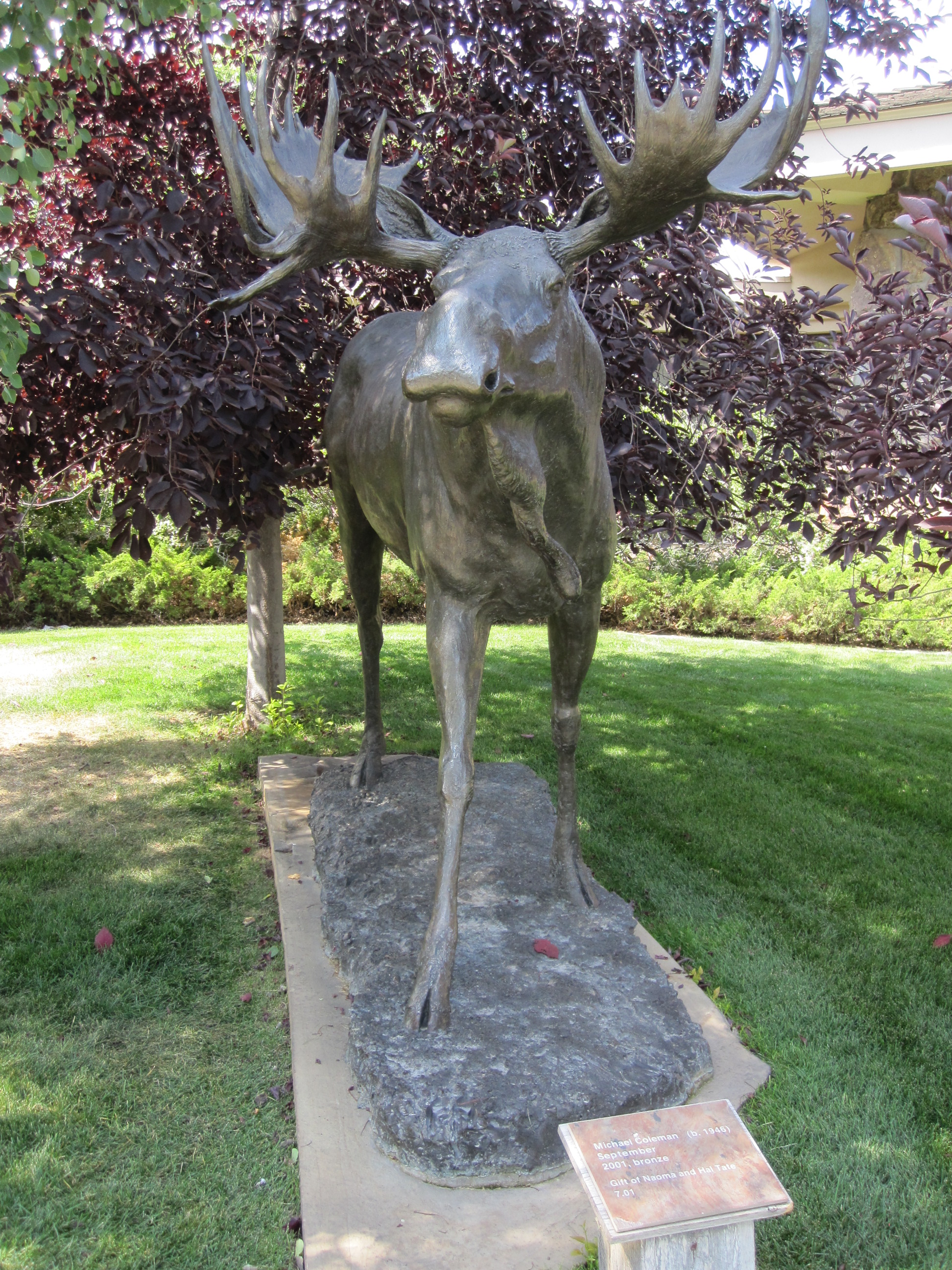
Bronze Moose

Bronze Moose Why is it cold?

 Read about school visits in  the chapter “Teachers with Ropes”, p. 109 of TTOTC, and smile.

Imagine signs that say “Please Touch.”


After the Gallery was sold, and he began serious investigation of his San Lazaro pueblo, he continued to share, to teach, giving underprivileged (I’ve forgotten his term) teens archaeological experiences at the site.
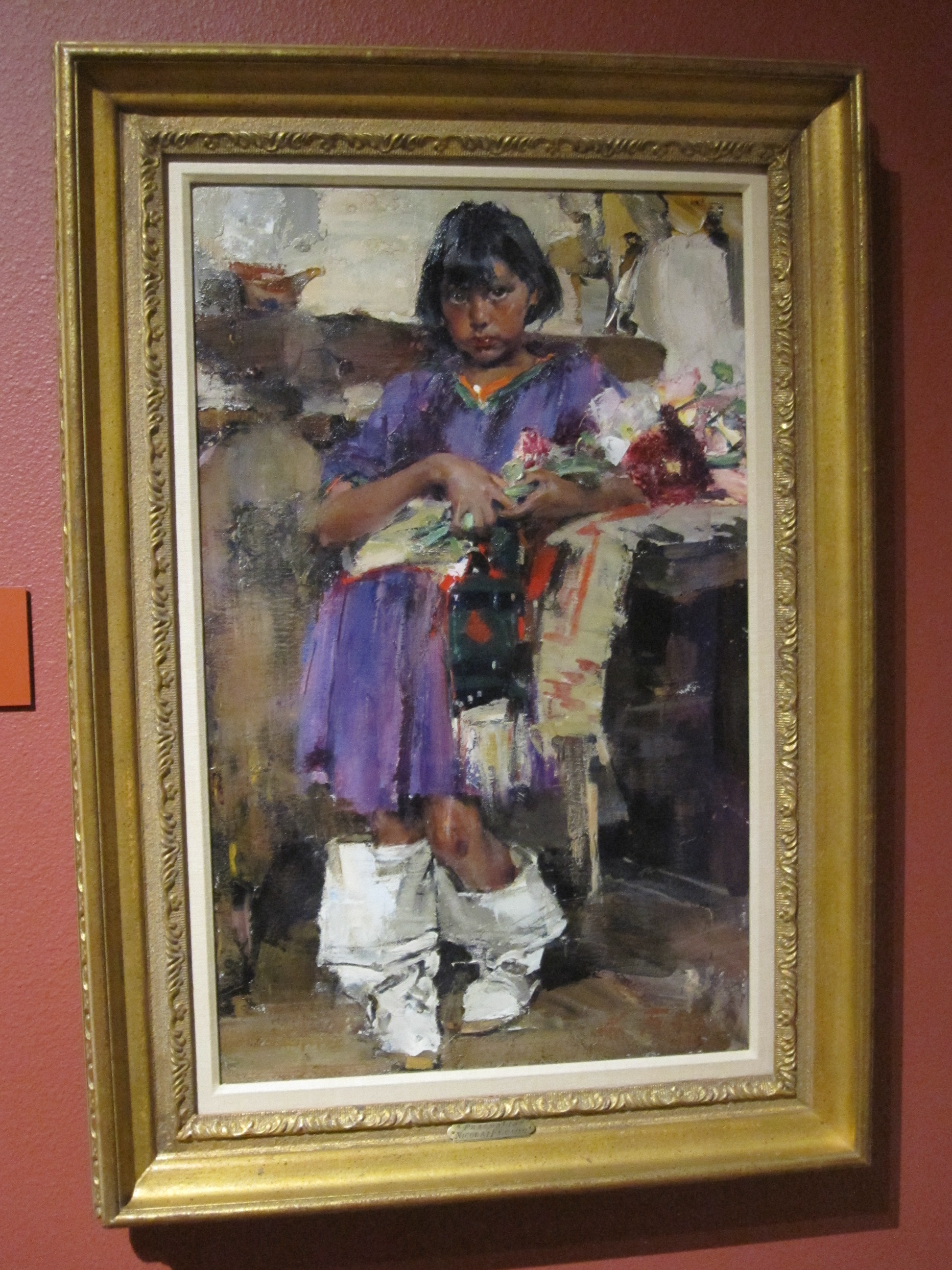
A Fechin

A Fechin

On Dal’s blog, Thrill of the Chase,  if you click on  Forrest Speaks, you can watch a video, How to Be an Artist, his recipe for success for a watercolorist in need of money.  Sound knowledge, freely shared.

Another fun video there is Woolly Worm, where he patiently teaches how to tie a fishing fly.  (He makes it look easy.)

I doubt that we’ll ever know the full extent of his generosity of time and talents.  You know, don’t let your right hand know what your left is doing.
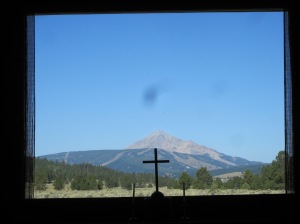
IMG_0496

But, Forrest Fenn has gotten more kids and grownups off the couch and out in the woods, searching and researching any and every little bit that could, just maybe, somehow, with imagination, might possibly help solve one of his nine clues.
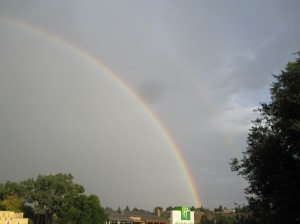
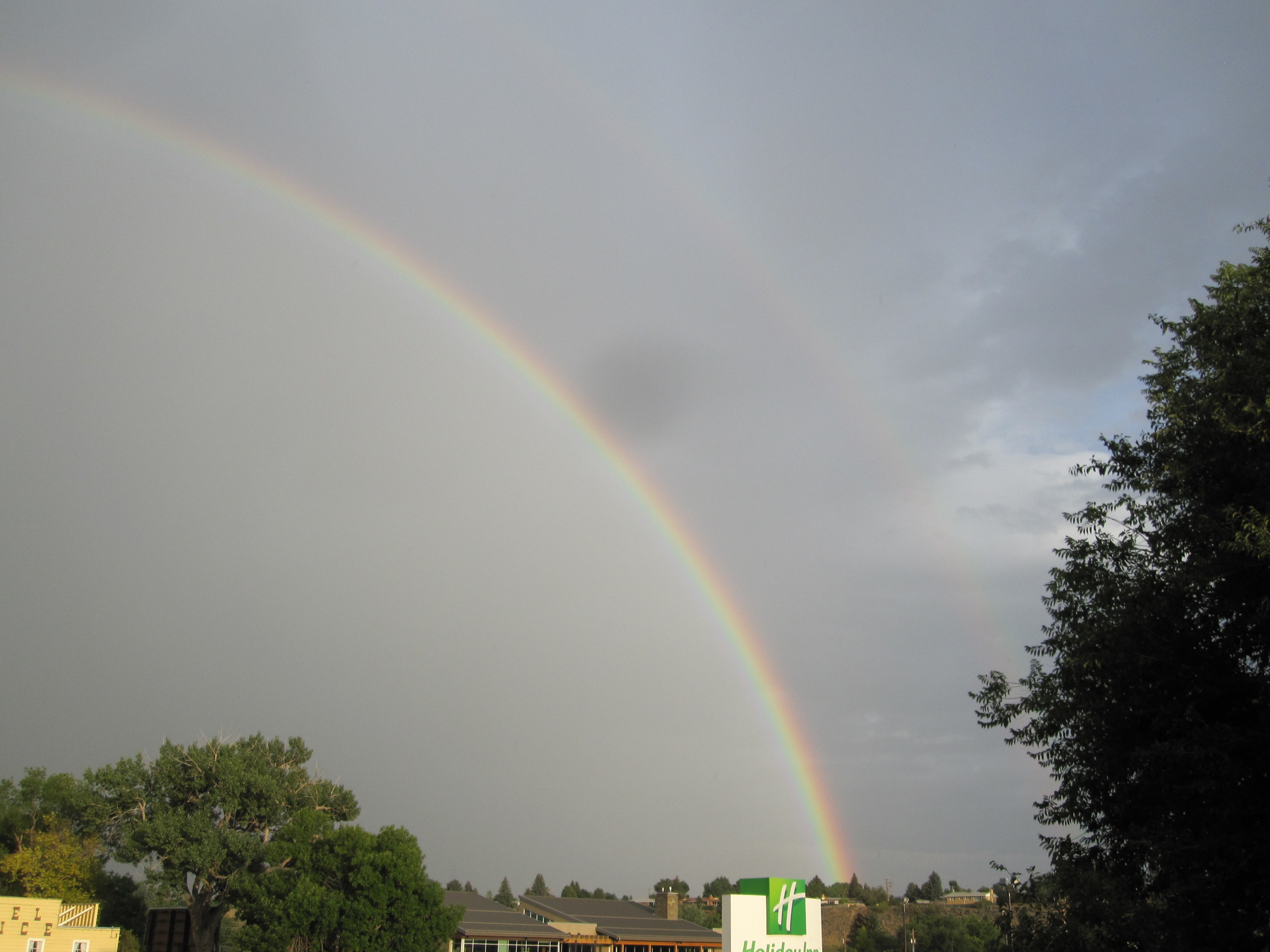
Cody Rainbow

Cody Rainbow

And not just for the gold in the chest at the end of his rainbow….


If You Recognize This Person….

only child

only child 

If you know who this person is, let me know.  I’ll drop off the photo, etc., next time I’m in New Mexico.

This pic made me think of the twins in Forrest Fenn’s bookToo Far To Walk, which made me wonder about a couple more things which may remain mysteries.  Ah, well.

Up


Back to the Chase—Dal’s blog is in overdrive lately since he officially dropped out of the hunt for Fenn’s treasure.  Lots to keep up with over there.

Another great addition is over on Jenny Kile’s blog.  Forrest is answering searcher’s questions at the rate of more than one a day.

Love it!

English: Stout Arch, Mystery Valley, Monument ...English: Stout Arch, Mystery Valley, Monument Valley Navajo Tribal Park, Arizona, USA Français : Stout Arch, Mystery Valley, Monument Valley Navajo Tribal Park, Arizona, États-Unis (Photo credit: Wikipedia)

Me?  It’s raspberry season.  This year– raspberry ice cream made with organic cream and sugar.  Small treasures….


66,000 Links


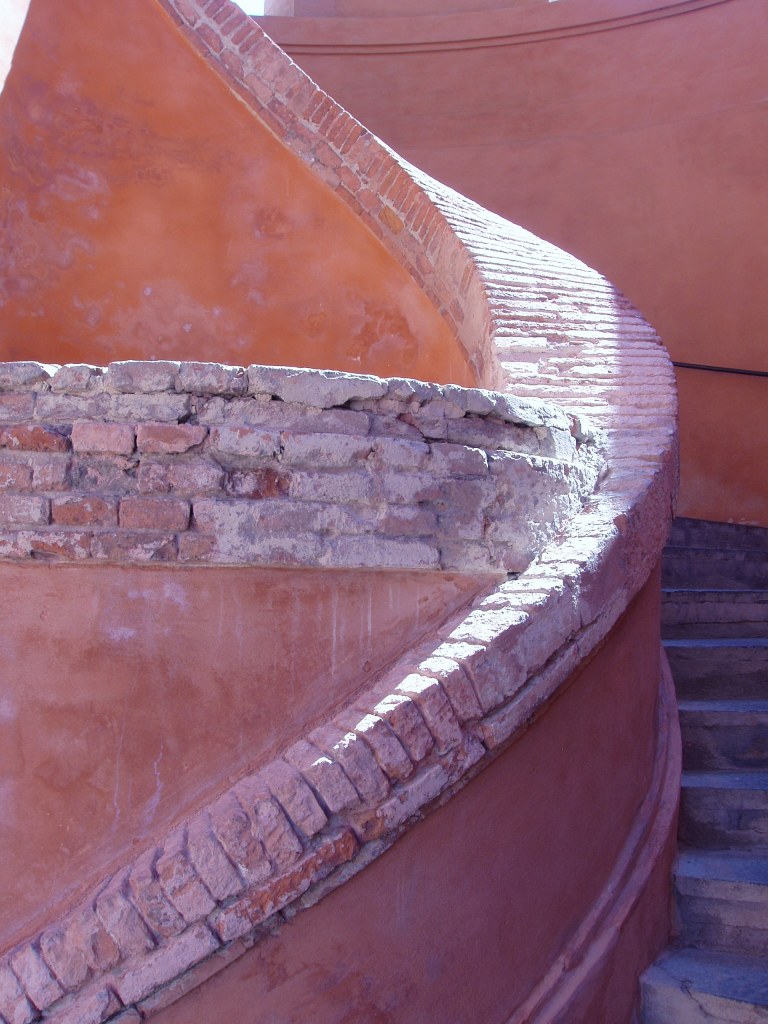
Stair rail “One’s destination is never a place, but a new way of seeing things.”
– Henry Miller

Dinkelsbühl_stadsmuur_stadtmauerDinkelsbühl_stadsmuur_stadtmauer (Photo credit: duitsland-reisgids.nl)

“If you look the right way, you can see that the whole world is a garden.” ― Frances Burnett, The Secret Garden

This was once carved in stone above a fireplace in Wisconsin.  I only remember the first stanza—

It may be never, it may be soon, 

But I hope that it will be some afternoon.

I’ll hear a step on the creaking stair.

I’ll open the door and you’ll be there.


Keats's Grave, by William Bell ScottKeats’s Grave, by William Bell Scott (Photo credit: Martin Beek)


Kindness is the golden chain by which society ...

Kindness is the golden chain by which society is bound together. JOHANN WOLFGANG VON GOETHE ( 1749-1832 ) (Photo credit: frank carman)

Image taken from page 288 of 'Goethe's Italien...Image taken from page 288 of ‘Goethe’s Italienische Reise. Mit 318 Illustrationen … von J. von Kahle. Eingeleitet von … H. Düntzer’ (Photo credit: The British Library)

“Every day one should at least hear one little song, read one good poem, see one fine painting and — if at all possible — speak a few sensible words.” ― Goethe


Johann Wolfgang von Goethe Whatever you can do...Johann Wolfgang von Goethe Whatever you can do or dream you can do … Begin it now (Photo credit: symphony of love)

[I’ve been in the garden, waxing poetic, and not having any luck solving the clues in THE Poem…..]


Pieces of Eight


The Spanish dollar was the basis of the United...

The Spanish dollar was the basis of the United States silver dollar. (Photo credit: Wikipedia)

Aaargh!  Am I the only one who thought pieces of eight were made of gold?

There’s been a lot of pirate talk on the Thrill of the Chase blogs lately, and some pirates have already departed on their quest for the Forrest Fenn treasure hidden somewhere in the Rocky Mountains north of Santa Fe.

English: The two Manila galleons-the "Enc...English: The two Manila galleons-the “Encarnacion” and “Rosario” during the five battles of La Naval de Manila in 1646. Original illustration by John Ryan M. Debil (Photo credit: Wikipedia)

So while I sit patiently in the Midwest trying to decode the clues in the poem, I continue to decorate my mind with new and possibly-never-useful facts.  But then again, Mr. Fenn said nothing is too small to know  (I  still need to find his exact words on that.


I. A. Wadsworth 25 cents (twenty-five cents) p...Even though where I grew up “two bits” was not uncommonly used in place of “quarter”, for some reason I always pictured pieces of eight  as heavy gold coins.  Wrong.  The Spanish gold coin was the “scudo” or “escudo” and equaled 16 reales (royals).

English: Spanish doubloon stamped as minted in...English: Spanish doubloon stamped as minted in 1798 (Photo credit: Wikipedia)


The Spanish 8 reale coin was silver, and sometimes cut when smaller coins (i.e., a picayune was a half reale) were scarce.  Hence, 2 bits,  four bits, etc.  One bit equaled 12 1/2 cents, which is coincidentally why, up until August of 2000, the New York Stock Exchange reported value changes in eighths.

Wait.  Why base the NY stock market on the value of a Spanish coin?

Well, for starters, the colonies were forbidden, on pain of beheading and/or drawing and quartering, from making their own coins.

Secondly, the Spaniards had been reaping(?) the silver from Mexico to Chile since at least the 15th century.  Spanish “Milled” or “Pillar” dollars were minted in places like Mexico City; Lima, Peru; Santiago, Chile; and, of interest to seekers of the Fenn chest, Santa Fe de Bogota, Columbia.  (Quote: ” …in the mountains north of Santa Fe.”    How far north, some have asked.)

English: Detail of Pillars of Hercules from Ta...

English: Detail of Pillars of Hercules from Ta…

Holy Pompeii Pillars!  I mean, Pillars of Hercules, at the Straights of Gibralter, gateway to the New World, as seen on the obverse of the coins milled in the Americas.

Back to the stock market question.

The Spanish silver dollar/real a de ocho was the most common coin in circulation in 1792 when the NYSE was founded.  That was the same year Congress authorized the first Coinage Act, which established the mint in Philadelphia.  Since it was going to take awhile to ‘print’ a lot of money, Spanish coins were made legal tender in 1793 and remained so until 1857, you know, after the California gold rush filled the coffers.  And new regulations.

Next question:  so why are old reales showing up in fields, clay pots, and creekbanks in Illinois?  Like the 1/2 reales minted in Lima in 1755 and Nuevo Reino de Granada (Santa Fe de Bogota), and the 1702 to 1733 (?) vintage two bit piece.

(Hint:  It’s good to look near really old tavern sites with a metal detector.)

Again, a couple answers.  This was the frontier back in the day.  Even before the War of Independence, the French, Spanish, and Brits were all over the place trying to plant flags and claim what wasn’t theirs.  And up the Mississippi were the Spanish Mines—lead, not gold or silver.

And then, consider the sheer number of reales produced—between 1732 and 1821, 1.3 billion eight reale coins were minted at Mexico City alone.  And they didn’t all make it to Madrid.  The Manilla Galleons took them to Asia, as silver was the only commodity the Chinese accepted in trade.

1748 Seale Map of the Pacific Ocean w- Trade R...1748 Seale Map of the Pacific Ocean w- Trade Routes from Acapulco to Manila – Geographicus – Pacific-seale-1743 (Photo credit: Wikipedia)


Shipwrecks.  Pirates.Forrest Fenn's Treasure Chest

“Pizzas at eight!  Pizzas at eight!

So, Dal, maybe you should go back to scuba diving for treasure and leave the Rocky Mountain treasure to us landlubbers.

  Just kidding…..

Related articles


Enhanced by Zemanta

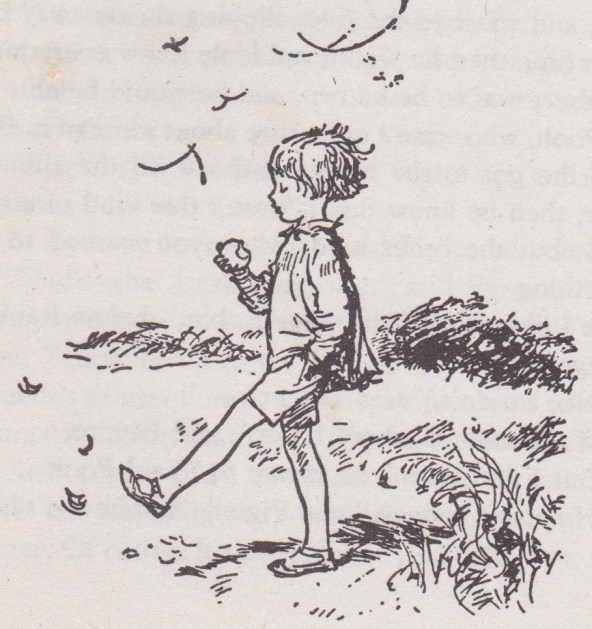
Winnie Wisdom

Great thoughts from the Hundred Acre Wood.
Like #2 —
“Rivers know this: there is no hurry. We shall get there someday.”

And for some common sense/kids-in-the-woods/good news, read this article on Slate-

http://www.slate.com/articles/health_and_science/science/2014/05/kid_play_zones_in_parks_leave_no_trace_inhibits_fun_and_bonding_with_nature.single.html

faithful's avatarseeking spirit

Truths We Learn From Winnie The Pooh

Since first appearing in 1924, Winnie the Pooh has innocently stumbled through the Hundred Acre Wood, leading friends and readers on curious and memorable adventures. The lovable bear is the brainchild of A.A. Milne, inspired by his son, Christopher Robin, and his toys.

1. “How do you spell ‘love’?” – Piglet “You don’t spell it…you feel it.” – Pooh”
2. “Rivers know this: there is no hurry. We shall get there some day.”
3. “The things that make me different are the things that make me.”
4. “If you live to be a hundred, I want to live to be a hundred minus one day so I never have to live without you.”
5. “I think we dream so we don’t have to be apart for so long. If we’re in each other’s dreams, we can be together all the time.”
6. “You…

View original post 2,353 more words

The Blue Marvel

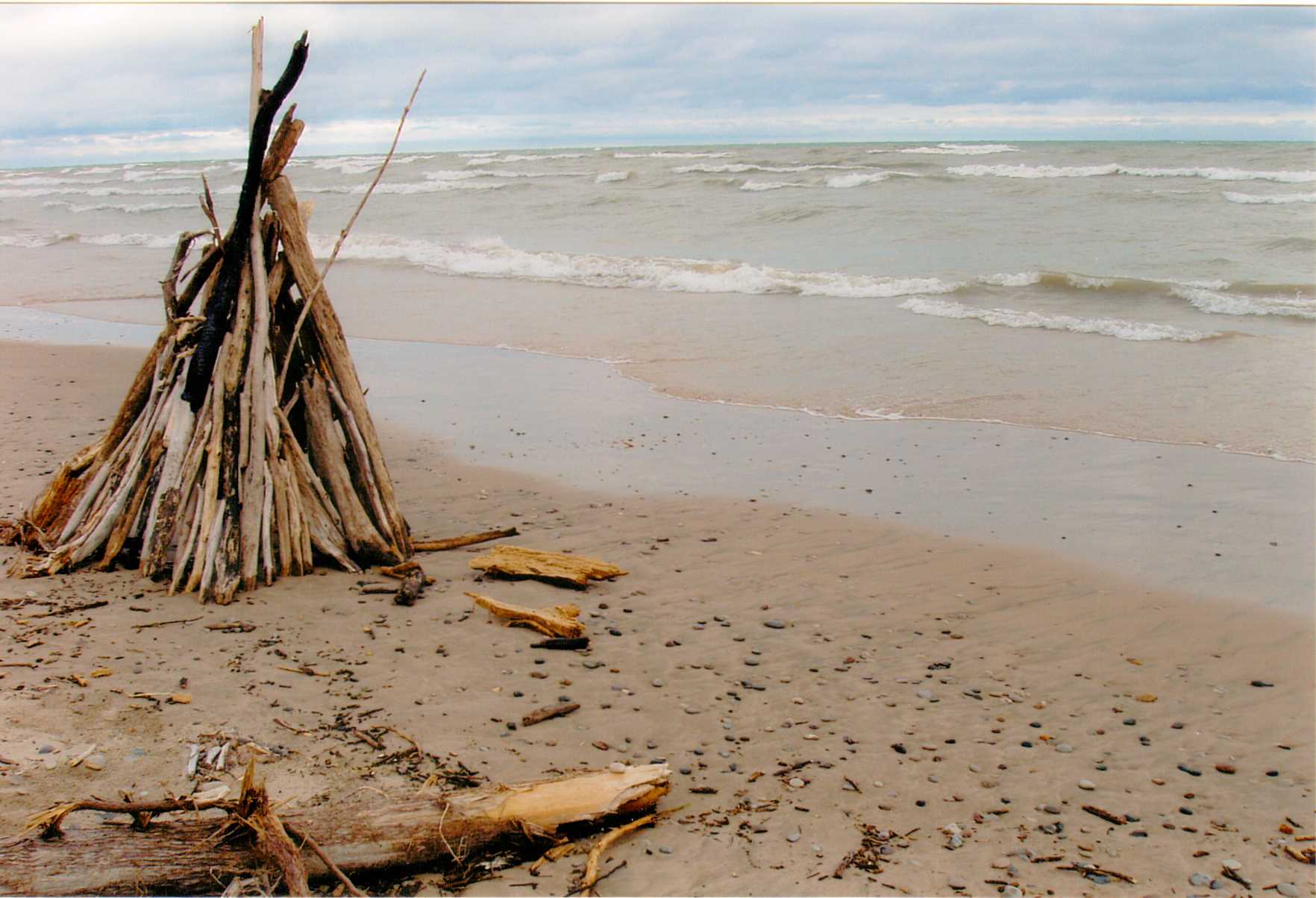
Driftwood Teepee

I seem to have only been like a boy playing on the seashore, diverting myself in now and then finding a smoother pebble or a prettier shell than ordinary, whilst the great ocean of truth lay all undiscovered before me.                   Isaac Newton                

The Blue Marble from Apollo 17The Blue Marble from Apollo 17 (Photo credit: NASA Goddard Photo and Video)

“Science without religion is lame.  Religion without science is blind.”  Albert Einstein

A replica of Newton's second reflecting telesc...A replica of Newton’s second reflecting telescope of 1672 presented to the Royal Society. (Photo credit: Wikipedia)

Enhanced by Zemanta


Cities of Gold


Cover of "Cities of Gold: A Journey Acros...

Cover via Amazo 


So I read another Douglas Preston book this spring.  (I bought this one, Mr. Preston.)   It was a departure from his horror/thrillers I’d read previously, but this non-fiction book was fascinating in another way.

He decided to retrace the steps of Coronado from the border of Mexico to the Pecos Pueblo in search of the Seven Cities of Gold.  It turns out that it was a bit of a wild goose chase for Coronado, but people will believe what they want to believe when it comes to treasures of gold.  Time hasn’t changed that.

Preston smoothly wove massive amounts of history into the story of his trek on horseback through some very harsh lands.  He’s also made use of the experience in some of his fiction, i.e. ThunderheadTyrannosaurus Canyon, and others.

Tyrannosaurus footprint from Philmont Scout Ra...

Tyrannosaurus footprint from Philmont Scout Ranch, New Mexico (Photo credit: Wikipedia)

Let’s see.  Did Mapsmith call Dal foolhardy?  Well, let’s just say it takes a certain mix of courage, stamina, and not too much information to undertake some adventures.  Which is why the glory goes to the brave.  Kudos to all of you.  Lacking two of the above, I’m just happy to get the vicarious thrill when I read about your adventures.
Pecos Glazeware Bowl, labelled as serpent desi...

Pecos Glazeware Bowl, labelled as serpent design, Pecos National Historical Park From the ruins of the Pecos Pueblo in in San Miguel County, New Mexico.


Related articles

Enhanced by Zemanta

Coins on Stones


IMG_0048

Found this article on Facebook today, Memorial Day:


COINS LEFT ON TOMBSTONES

While visiting some cemeteries you may notice that headstones marking certain graves have coins on them, left by previous visitors to the grave.

These coins have distinct meanings when left on the headstones of those who gave their life while serving in America’s military, and these meanings vary depending on the denomination of coin.

A coin left on a headstone or at the grave site is meant as a message to the deceased soldier’s family that someone else has visited the grave to pay respect. Leaving a penny at the grave means simply that you visited.

A nickel indicates that you and the deceased trained at boot camp together, while a dime means you served with him in some capacity. By leaving a quarter at the grave, you are telling the family that you were with the solider when he was killed.

According to tradition, the money left at graves in national cemeteries and state veterans cemeteries is eventually collected, and the funds are put toward maintaining the cemetery or paying burial costs for indigent veterans.

In the US, this practice became common during the Vietnam war, due to the political divide in the country over the war; leaving a coin was seen as a more practical way to communicate that you had visited the grave than contacting the soldier’s family, which could devolve into an uncomfortable argument over politics relating to the war.

Some Vietnam veterans would leave coins as a “down payment” to buy their fallen comrades a beer or play a hand of cards when they would finally be reunited.

The tradition of leaving coins on the headstones of military men and women can be traced to as far back as the Roman Empire.

Thanks to the radio station that posted it.


Enhanced by Zemanta